Timber Frame Houses UK Problems: Moisture, Rot, Insulation and Mortgage Issues Explained

Timber frame construction has become a significant part of modern housing development across the UK, offering faster build times and improved energy efficiency. However, many buyers still search for timber frame houses uk problems before committing to a purchase, as concerns about durability, moisture and long-term performance remain common in public discussion.

Despite growing popularity, misunderstandings about timber homes continue to circulate, often based on outdated building methods. Modern designs are far more advanced, yet concerns still exist around structural reliability and maintenance needs. Understanding timber frame houses uk problems is essential for anyone considering this type of property, especially first-time buyers.
What Are Timber Frame Houses and How They Work
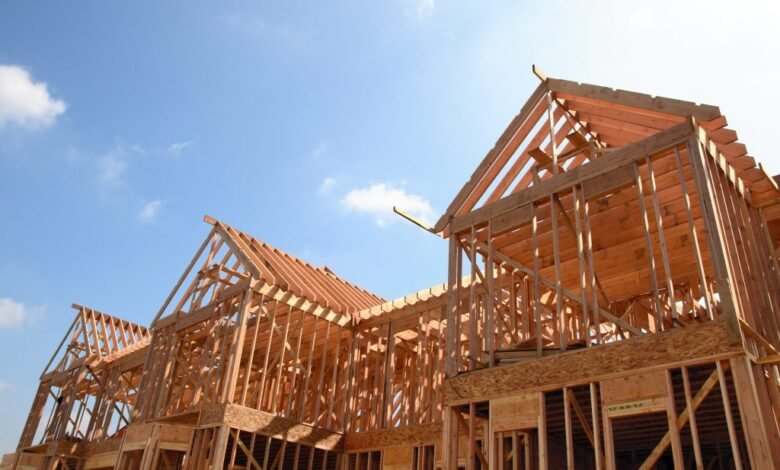
Timber frame houses are built using a structural wooden skeleton that supports the entire property, with insulation, cladding and internal walls added afterwards. This construction method is widely used in the UK due to its speed, efficiency and reduced environmental impact compared to traditional brick-and-block homes.
However, discussions around timber frame houses uk problems often arise because the construction system relies heavily on correct installation and protection layers. If vapour barriers or external cladding are poorly fitted, the structure can become vulnerable to environmental damage, making build quality a crucial factor in long-term performance.
Moisture and Damp Issues in Timber Frame Homes
One of the most frequently discussed timber frame houses uk problems is moisture control. Timber is naturally sensitive to water exposure, and if damp enters the structure, it can become trapped within wall cavities. This can lead to condensation issues that are not always immediately visible to homeowners.
Over time, unmanaged moisture can result in mould growth, timber decay and weakening of structural components. The UK’s wet and variable climate increases this risk, especially in older homes or properties with poor ventilation. Effective design and regular inspections are essential to prevent long-term damage and maintain a healthy living environment.
Rot and Structural Durability Concerns
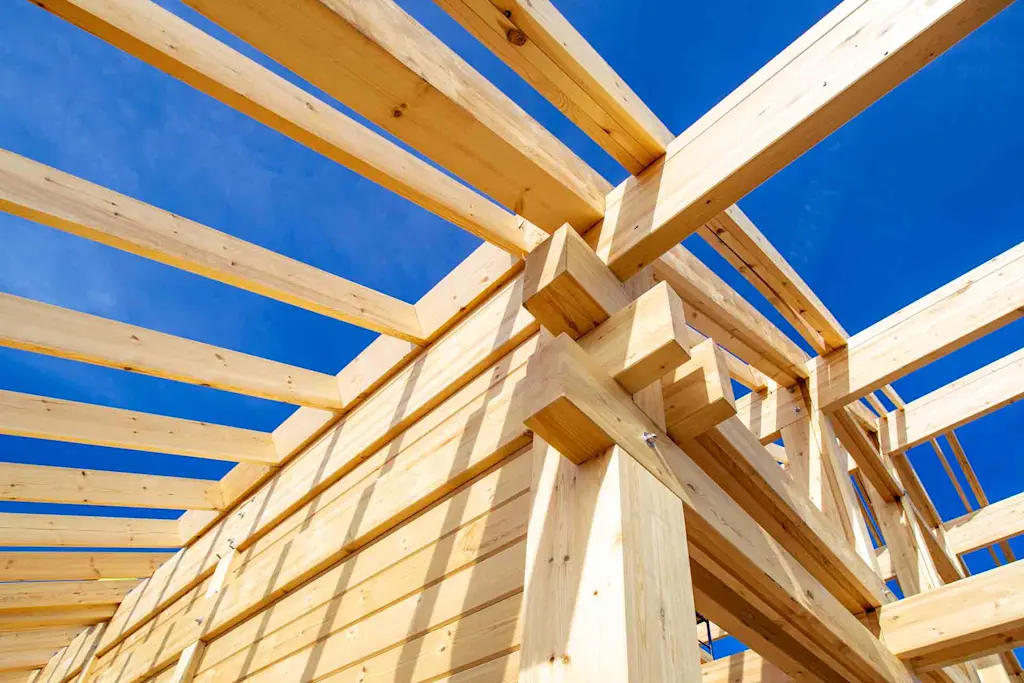
Another major concern linked to timber frame houses uk problems is the potential for timber rot. When moisture consistently penetrates the structure, the wood can begin to degrade, affecting the stability of the entire building. Unlike surface-level damage, rot often develops internally and may go unnoticed until significant deterioration has occurred.
Modern timber frame homes are built with protective barriers and treated materials to reduce this risk, but maintenance remains essential. If structural rot is left untreated, repairs can be expensive and disruptive, sometimes requiring partial rebuilding of affected sections to restore safety and integrity.
Insulation and Soundproofing Performance
Energy efficiency is often a strong selling point for timber homes, yet insulation performance is still included in discussions about timber frame houses uk problems. While modern systems are highly efficient, improper installation can result in heat loss or cold bridging, which reduces overall thermal comfort within the property.
Soundproofing is another factor to consider, as timber structures are generally lighter than brick buildings. This can lead to increased noise transfer between rooms if not properly insulated. However, advances in construction technology have significantly improved acoustic performance in newer developments across the UK housing market.
Mortgage and Insurance Considerations
Financial challenges also contribute to timber frame houses uk problems, particularly when it comes to mortgages and insurance. Some lenders classify timber properties as non-standard construction, which may require additional surveys or specialist lending products before approval can be granted.
Although many modern timber homes are fully mortgageable, older properties or those with unusual construction methods may still face restrictions. Insurance costs can also vary depending on risk assessments related to moisture or structural concerns, making it important for buyers to research financial requirements early in the process.
Maintenance and Long-Term Care Requirements
Proper upkeep plays a vital role in managing timber frame houses uk problems over time. Regular inspection of external cladding, roofing and drainage systems helps prevent water ingress, which is the primary cause of many structural issues in timber properties.
Unlike brick-built homes, timber frame structures rely heavily on protective layers. If these are damaged or neglected, the internal frame can become exposed to environmental conditions. Consistent maintenance ensures the property remains durable, energy-efficient and structurally sound throughout its lifespan.
Are Timber Frame Houses Worth Buying in the UK?
Despite concerns surrounding timber frame houses uk problems, many homeowners find these properties to be a practical and modern housing solution. They offer fast construction times, excellent insulation potential and a reduced environmental footprint compared to traditional building methods.
The key to a successful purchase lies in understanding build quality and ensuring a professional survey is completed before buying. When properly designed and maintained, timber frame homes can perform just as well as brick properties, making them a viable option for a wide range of buyers in the UK market.
Conclusion
In summary, timber frame houses uk problems are often linked to moisture management, maintenance requirements and financial considerations rather than inherent flaws in the construction system itself. Many of these issues can be avoided through proper design, skilled installation and ongoing care.
As building standards continue to improve, timber frame homes are becoming increasingly reliable and efficient. Buyers who take the time to research and inspect properties carefully can benefit from a durable, sustainable and cost-effective housing option in the UK.