Gutter Companies Near Me: The Complete Guide to Finding Trusted Local Gutter Services

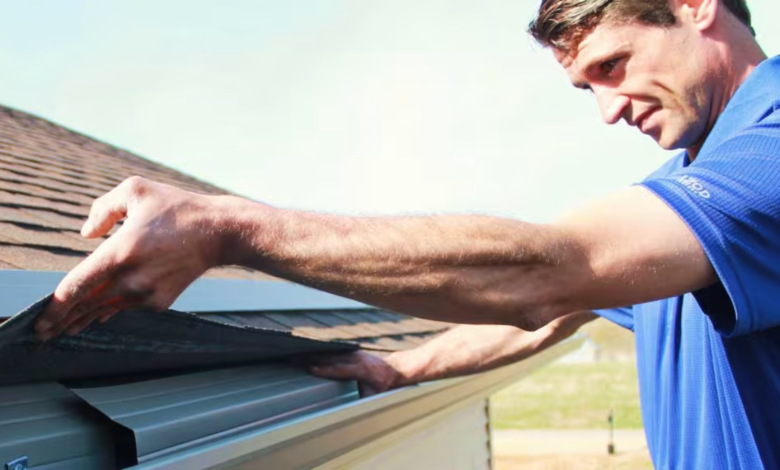
When homeowners search for gutter companies near me, they are usually looking for reliable professionals who can install, repair, replace, or clean gutters before small issues become expensive problems. Gutters play a vital role in protecting your home by directing rainwater away from the roof, foundation, siding, and landscaping. Without a properly functioning gutter system, water can pool around your home’s foundation, damage exterior walls, erode soil, and even cause basement flooding. Whether you’re building a new home or maintaining an existing property, choosing the right local gutter contractor can save you money and prevent long-term structural damage gutter companies near me.


Finding trustworthy local gutter companies also offers several advantages. Local contractors understand your area’s climate, rainfall patterns, and building requirements, allowing them to recommend the best gutter materials and installation methods for your property. In this comprehensive guide, you’ll learn everything you need to know about hiring gutter companies near me, the services they provide, how much they cost, and how to select the right professionals for your home improvement project gutter companies near me.
Why Gutters Are Essential for Your Home
A high-quality gutter system is one of the most important investments you can make for your property. Gutters collect rainwater from your roof and safely channel it away through downspouts. Without this drainage system, water can seep into your home’s foundation, weaken structural components, stain siding, damage landscaping, and create mold or mildew problems. Even minor gutter issues can escalate into costly repairs if left untreated, making routine maintenance and timely repairs essential.
In addition to protecting your home’s structure, gutters also improve curb appeal and preserve property value. Buyers often look for homes with well-maintained drainage systems because they indicate responsible homeownership. If you notice overflowing water during rainfall, sagging gutters, rust, cracks, loose fasteners, or water pooling around your foundation, it’s time to contact experienced gutter companies near me. Addressing these problems early helps avoid larger expenses and extends the lifespan of your roof and exterior gutter companies near me.
What Services Do Gutter Companies Near Me Offer?
Professional gutter companies near me provide a complete range of services designed to keep your home’s drainage system operating efficiently. Installation is one of the most common services, whether for newly constructed homes or replacing outdated systems. Contractors measure your roofline, recommend suitable materials, fabricate seamless gutters when necessary, and ensure proper water flow through correctly positioned downspouts gutter companies near me.
Beyond installation, local gutter companies also specialize in gutter repair, replacement, cleaning, and maintenance. Repairs may include sealing leaks, replacing damaged sections, fixing loose brackets, correcting improper slope, or repairing downspouts. Cleaning services remove leaves, dirt, nests, and debris that restrict water flow. Many companies also install gutter guards to reduce maintenance by preventing leaves and debris from entering the system. Comprehensive maintenance services ensure gutters continue functioning effectively throughout every season gutter companies near me.
How to Choose the Best Gutter Companies Near Me
Choosing the right contractor involves much more than selecting the lowest quote. Start by researching local companies with positive customer reviews and a proven history of quality workmanship. Verify that the contractor is licensed, insured, and experienced with projects similar to yours. Request references, browse completed projects, and ask detailed questions about installation methods, materials, warranties, and estimated completion times before signing any agreement.
Comparing multiple written estimates allows you to understand pricing differences while avoiding hidden charges. A reputable contractor will clearly explain labor costs, material options, warranty coverage, and cleanup procedures. Excellent communication, transparent pricing, punctuality, and professional customer service often distinguish top-rated gutter companies near me from less reliable competitors. Investing time in research helps ensure your gutter project is completed correctly the first time.
Different Types of Gutters Available
Today’s homeowners can choose from several gutter styles depending on their budget, aesthetic preferences, and maintenance expectations. Seamless gutters are among the most popular options because they minimize leaks by reducing joints. Fabricated on-site to fit your home precisely, seamless systems require less maintenance and offer a clean, modern appearance that complements most architectural styles.
Sectional gutters remain an affordable choice for smaller budgets but require more maintenance due to multiple connection points. Material selection is equally important. Aluminum gutters are lightweight, rust-resistant, and cost-effective. Copper gutters offer exceptional durability and develop an attractive natural patina over time, making them ideal for luxury homes. Steel gutters provide superior strength in harsh climates, while vinyl gutters remain a budget-friendly option for mild weather conditions. Selecting the appropriate style and material depends on your local climate, maintenance preferences, and long-term budget.
How Much Do Gutter Services Cost?
The cost of hiring gutter companies near me depends on several factors, including home size, roof complexity, gutter material, labor rates, accessibility, and optional upgrades such as gutter guards. Larger homes naturally require more materials and labor, while steep roofs or multiple stories increase installation difficulty. Premium materials like copper typically cost more than aluminum or vinyl but provide longer service life and distinctive visual appeal.
Repair costs vary depending on the severity of the damage. Minor leak repairs are generally inexpensive, while replacing multiple damaged sections or correcting improper installation increases costs. Seasonal gutter cleaning remains one of the most affordable maintenance services and helps prevent expensive repairs caused by clogs and overflow. Requesting detailed written estimates from multiple contractors allows homeowners to compare pricing accurately and select the best overall value rather than simply choosing the cheapest option.
Benefits of Hiring Local Gutter Companies
Hiring local professionals offers several advantages beyond convenience. Local contractors understand regional weather patterns, seasonal rainfall, snow loads, and municipal building requirements. Their familiarity with local conditions allows them to recommend gutter systems specifically designed for your environment, improving long-term performance and durability.
Another significant benefit is accessibility. Local companies typically provide faster scheduling, quicker emergency repairs, and more responsive warranty support than national chains. Building relationships with nearby businesses also supports your local economy while giving you confidence that assistance is available whenever maintenance or future repairs become necessary. Reliable gutter companies near me often depend on positive community reputations, encouraging consistently high-quality workmanship and customer satisfaction.
Common Gutter Problems and Their Solutions
Even the highest-quality gutter systems eventually experience wear and tear. Clogged gutters remain the most common issue, preventing proper water drainage and causing overflow that damages roofs, siding, and foundations. Routine cleaning removes leaves, twigs, and debris before blockages develop. Installing gutter guards further minimizes future maintenance while improving water flow throughout the year.
Other common problems include leaking seams, sagging sections, detached hangers, improper slope, rust, corrosion, and damaged downspouts. Professional contractors can reseal joints, replace damaged hardware, adjust gutter pitch, and install stronger supports to restore proper functionality. Prompt repairs not only prevent structural damage but also extend the overall lifespan of your gutter system, saving homeowners substantial repair expenses over time.
Gutter Maintenance Tips for Homeowners
Regular maintenance significantly extends the life of any gutter system. Homeowners should inspect gutters at least twice annually, preferably during spring and autumn. Check for visible cracks, loose brackets, standing water, rust, overflowing sections, and blockages around downspouts. After severe storms, additional inspections help identify damage caused by heavy rain, hail, or falling branches before problems worsen.
Cleaning gutters consistently prevents debris accumulation and maintains efficient drainage. Trimming nearby trees reduces falling leaves, while flushing downspouts with water confirms unrestricted flow. Homeowners should also monitor areas around the foundation for signs of improper drainage. Scheduling professional inspections every few years provides additional peace of mind, especially for older homes or properties surrounded by mature trees.
Mistakes to Avoid When Hiring Gutter Companies Near Me
One of the biggest mistakes homeowners make is selecting contractors solely based on the lowest price. Extremely cheap estimates may indicate poor-quality materials, inexperienced labor, or hidden fees that appear later during the project. Always verify licensing, insurance coverage, customer reviews, warranty terms, and previous project experience before making a hiring decision.
Another common error involves accepting verbal agreements without detailed written contracts. Every proposal should clearly specify materials, labor, project timelines, payment schedules, cleanup responsibilities, and warranty information. Taking time to compare multiple estimates and ask detailed questions protects your investment while ensuring you receive professional workmanship from reputable gutter companies near me.
How to Get the Best Value from Your Gutter Investment
Maximizing your investment begins with selecting durable materials that suit your local climate rather than choosing the least expensive option. Aluminum seamless gutters often provide an excellent balance between affordability, durability, and low maintenance. Homeowners planning long-term ownership may benefit from investing in copper systems or premium gutter guards that reduce maintenance costs over many years.
Routine inspections and preventative maintenance also improve long-term value. Cleaning gutters regularly, repairing minor issues promptly, and documenting all maintenance activities help preserve manufacturer warranties while extending system lifespan. By partnering with experienced gutter companies near me, homeowners can protect their property, minimize repair costs, and enjoy reliable drainage performance for decades.
Conclusion
Searching for gutter companies near me is the first step toward protecting your home from costly water damage. Professional gutter contractors provide installation, repairs, replacement, cleaning, maintenance, and gutter guard solutions that keep your drainage system functioning efficiently throughout the year. Choosing licensed, experienced, and highly rated local professionals ensures quality workmanship, reliable warranties, and long-lasting performance.
Whether you need a complete gutter replacement or simple seasonal maintenance, comparing multiple estimates, researching customer reviews, and selecting quality materials will help you achieve the best results. A properly installed and well-maintained gutter system protects your home’s foundation, roof, landscaping, and overall value, making it one of the smartest investments any homeowner can make.
Frequently Asked Questions (FAQs)
How often should gutters be cleaned?
Most homes benefit from gutter cleaning at least twice a year, although homes surrounded by trees may require more frequent maintenance.
Are seamless gutters better than sectional gutters?
Yes. Seamless gutters have fewer joints, reducing the likelihood of leaks while requiring less maintenance.
How long do gutters typically last?
Depending on the material and maintenance, gutters generally last between 20 and 50 years.
What is the best gutter material?
Aluminum is the most popular choice due to its affordability, durability, and resistance to rust, while copper offers premium longevity and appearance.
Should I install gutter guards?
Gutter guards reduce debris buildup, minimize cleaning frequency, and improve overall gutter performance.
Can damaged gutters be repaired instead of replaced?
Yes. Minor leaks, loose sections, and damaged hangers can often be repaired. Extensive damage may require full replacement.
How do I choose the best gutter company?
Look for licensed and insured contractors with strong customer reviews, transparent pricing, quality warranties, and extensive industry experience.
You May Also Read: what is the hardest sport in the world