What Is the Hardest Sport in the World? Ranking the Toughest Sports by Strength, Skill, and Endurance

What is the hardest sport in the world? It is a question that sparks endless debates among athletes, coaches, sports scientists, and fans. Some believe boxing deserves the top spot because of its brutal physical demands and mental pressure. Others argue that gymnastics, wrestling, mixed martial arts (MMA), or the Ironman triathlon require even greater levels of skill, endurance, and dedication. The truth is that there is no universally accepted answer because every sport challenges athletes in different ways what is the hardest sport in the world.
What is the hardest sport in the world Determining the hardest sport involves more than simply measuring physical strength. Elite athletes must combine speed, coordination, stamina, flexibility, strategy, discipline, and mental resilience to succeed. A sport that appears easy from the outside often requires years of practice and thousands of hours of training before athletes can perform at a professional level what is the hardest sport in the world.
What is the hardest sport in the world In this guide, you’ll discover what makes a sport difficult, the factors experts use to rank sports, and why boxing is often considered the hardest sport in the world. You’ll also explore other sports that push athletes to their physical and mental limits.
What Defines the Hardest Sport?
The difficulty of a sport depends on several key factors rather than a single characteristic. Physical strength is important, but it is only one piece of the puzzle. Sports scientists often evaluate endurance, technical skill, reaction time, flexibility, coordination, and injury risk when comparing different sports What is the hardest sport in the world.
Mental toughness is another essential factor. Elite athletes constantly perform under pressure while making split-second decisions. Whether it’s a boxer avoiding punches, a gymnast landing a difficult routine, or a football player taking a penalty kick in front of thousands of fans, maintaining focus can determine success or failure What is the hardest sport in the world.
What is the hardest sport in the world Technical complexity also plays a significant role. Sports such as gymnastics, figure skating, and diving require years of precise practice before athletes can safely execute advanced movements. In contrast, endurance events demand incredible cardiovascular fitness and the ability to withstand physical pain for extended periods.
What Is the Hardest Sport in the World?
For many experts and athletes, boxing stands out as the hardest sport in the world. It combines nearly every physical and mental challenge an athlete can face. Boxers must possess explosive power, speed, endurance, agility, balance, coordination, tactical awareness, and exceptional mental resilience What is the hardest sport in the world.
What is the hardest sport in the world Unlike many sports where mistakes may only cost points, errors in boxing often result in serious physical consequences. Fighters spend months preparing for a single match, maintaining strict diets, intense training schedules, and rigorous conditioning programs. During a fight, they must remain calm while reacting instantly to an opponent’s attacks.
A professional boxing match pushes the cardiovascular system to its limits. Every round requires continuous movement, defensive skills, offensive precision, and mental calculation. Fatigue affects every decision, making boxing one of the most demanding sports both physically and psychologically.
Top 10 Hardest Sports in the World
1. Boxing
Boxing is widely considered the toughest sport because it combines strength, endurance, strategy, speed, and the constant risk of injury. Every punch thrown requires perfect timing and technique while avoiding incoming attacks.
2. Mixed Martial Arts (MMA)
MMA athletes master multiple fighting disciplines, including wrestling, Brazilian Jiu-Jitsu, kickboxing, and Muay Thai. The sport requires complete physical conditioning and tactical versatility.
3. Wrestling
Wrestling demands explosive power, muscular endurance, flexibility, and exceptional mental discipline. Athletes constantly battle for leverage while maintaining intense physical effort.
4. Gymnastics
Gymnastics requires remarkable strength-to-weight ratio, flexibility, precision, balance, and years of technical practice. Even minor mistakes can result in serious injuries.
5. Ice Hockey
Ice hockey combines skating ability, physical contact, endurance, speed, and tactical teamwork. Players perform at maximum intensity during every shift.
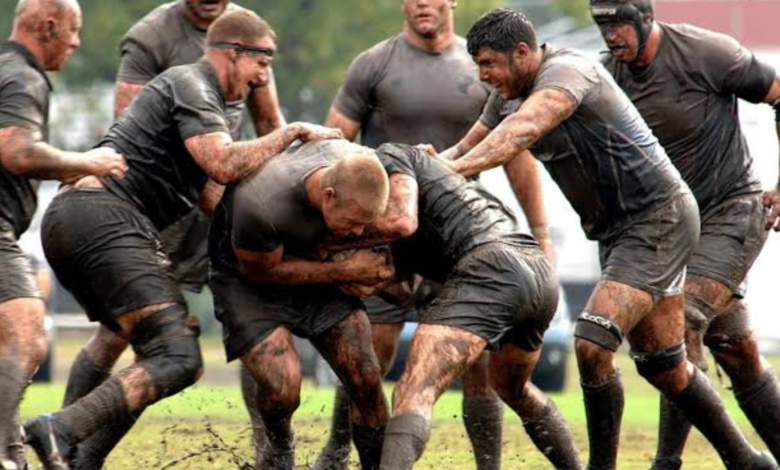
6. Rugby
Rugby athletes require strength, endurance, toughness, and teamwork while enduring repeated physical collisions throughout a match.
7. Water Polo
Water polo players swim continuously while wrestling opponents and attempting accurate shots without touching the pool floor.
8. Ironman Triathlon
Completing a 2.4-mile swim, 112-mile bike ride, and full marathon demands extraordinary endurance and months of dedicated training.
9. Decathlon
The decathlon tests athletes across ten different track and field events, requiring versatility rather than specialization.
10. Rock Climbing
Competitive climbing challenges grip strength, balance, problem-solving, flexibility, and mental confidence while navigating difficult routes.
Why Experts Disagree
The debate surrounding what is the hardest sport in the world continues because each sport emphasizes different abilities. A boxer may outperform a marathon runner in strength and power, while the marathon runner demonstrates greater endurance. Similarly, gymnasts possess exceptional flexibility and coordination that many other athletes cannot match.
Sports scientists often use scoring systems that evaluate multiple categories, including cardiovascular endurance, muscular strength, technical difficulty, injury rates, reaction time, and psychological pressure. Depending on which factors receive greater emphasis, rankings can vary considerably.
Professional athletes themselves also have differing opinions based on their personal experiences. Many believe their own sport is the most demanding because they understand the sacrifices required to compete at the highest level.
Benefits of Playing Challenging Sports
Participating in demanding sports offers numerous physical and mental benefits. Regular training improves cardiovascular health, muscular strength, flexibility, coordination, and overall fitness. Athletes also develop discipline, consistency, and goal-setting habits that benefit many areas of life.
Mentally challenging sports build confidence and resilience. Athletes learn to overcome setbacks, manage pressure, and remain focused under difficult circumstances. These qualities often transfer into careers, education, and personal relationships.
Team sports additionally improve communication, leadership, cooperation, and problem-solving skills. Individual sports encourage self-motivation, accountability, and personal responsibility for success.
How to Choose the Right Sport
Instead of focusing solely on the hardest sport, choose one that matches your interests, physical abilities, and long-term goals. Beginners should start with proper coaching, develop fundamental skills gradually, and prioritize safety above competition.
Consider the time commitment required for training, the availability of facilities, and your overall fitness level. Some sports demand years of technical practice before significant progress becomes visible, while others allow beginners to enjoy immediate participation.
Consistency remains more important than choosing the toughest activity. Long-term dedication produces greater results than selecting a sport simply because it is considered difficult.
Conclusion
So, what is the hardest sport in the world? While opinions differ, boxing consistently ranks at the top because it demands an exceptional combination of physical strength, endurance, speed, strategy, technical skill, and mental toughness. However, sports like MMA, gymnastics, wrestling, rugby, water polo, and the Ironman triathlon are equally impressive in their own ways.
Ultimately, the hardest sport depends on the criteria being measured. Every elite athlete dedicates years of training, sacrifices comfort, and pushes beyond physical and mental limits to achieve excellence. Rather than debating which sport is toughest, it’s more meaningful to appreciate the extraordinary commitment required to compete at the highest level.
Frequently Asked Questions
What is the hardest sport in the world?
Most experts consider boxing the hardest sport because it combines endurance, strength, strategy, speed, technical skill, and mental resilience.
Is boxing harder than MMA?
Both are extremely demanding. Boxing focuses on elite striking skills, while MMA requires proficiency in multiple martial arts disciplines.
Which sport requires the most endurance?
The Ironman triathlon is widely regarded as one of the greatest tests of endurance.
What is the hardest Olympic sport?
Gymnastics, wrestling, and the decathlon are commonly considered among the toughest Olympic events.
Is gymnastics harder than football?
Gymnastics generally requires greater technical precision and flexibility, while football demands endurance, teamwork, and tactical awareness.
Can beginners learn difficult sports?
Yes. With qualified coaching, consistent practice, and patience, beginners can gradually develop the skills needed for even the most challenging sports.
You May Also Read: does chai tea have caffeine
