
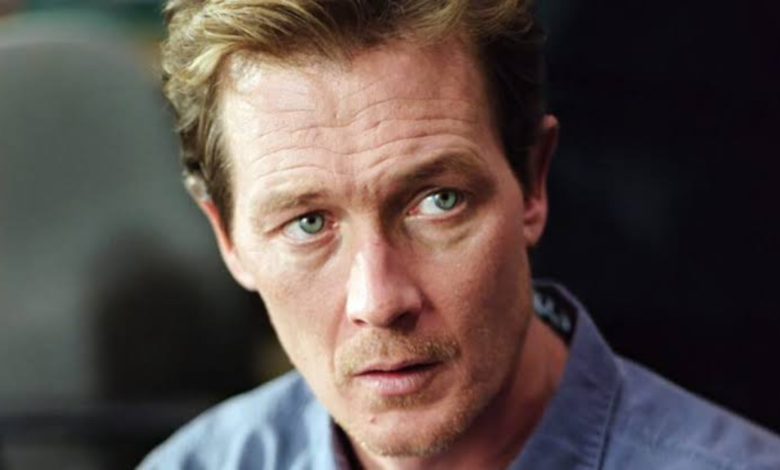
The question of who killed Tony Soprano has intrigued fans of The Sopranos since the series’ enigmatic finale. While some theories suggest Davey Scatino, a sports store owner Tony bankrupted, others point to different characters and scenarios. Creator David Chase has confirmed that Tony was indeed killed in Holsten’s diner, but the identity of his killer remains a subject of debate.
The Final Scene: Holsten’s Diner
The last episode of The Sopranos ends with Tony Soprano sitting in Holsten’s diner with his family. The scene is charged with tension, as various patrons enter the diner, each potentially hiding a deadly intent. David Chase, in a post-finale interview, confirmed Tony’s death, stating that Tony was shot from behind. This aligns with the abrupt black screen that concluded the show, symbolizing Tony’s sudden end.
David Chase’s Intentional Ambiguity
David Chase designed The Sopranos finale with intentional ambiguity to provoke discussion and analysis. In a later interview, Chase confirmed Tony’s death but left the identity of the killer open to interpretation. This narrative structure has fueled numerous Tony Soprano death theories, contributing significantly to the show’s cultural impact and ongoing debates among fans.
Analyzing Possible Killers
Many fans have turned to character motivations in The Sopranos to speculate on who killed Tony Soprano. Among the suspects, Davey Scatino stands out, having a personal vendetta due to his financial ruin at Tony’s hands. Yet, some theories also consider Patsy Parisi, who had his own grudges against Tony, while others propose a hit ordered by Tony’s numerous enemies in the mob world.
Theories on Reddit and Other Platforms
Online communities, particularly on platforms like Reddit, have kept the discussion alive with theories about who killed Tony Soprano. Users dissect the final scenes, character arcs, and the symbolism in The Sopranos to propose various suspects and scenarios, from Paulie Gualtieri to mysterious figures like the man in the Members Only jacket.
Symbolism and Themes in The Sopranos
The symbolism in The Sopranos is pivotal to understanding the series’ conclusion. The blackout at the diner represents Tony’s sudden death, an ending Chase had envisioned with a longer blackout, though HBO shortened it. This choice underscores the unpredictable and often violent nature of mob life, mirroring the series’ themes of betrayal and mortality. The question of who killed Tony Soprano is intertwined with these themes, adding layers to the narrative.
The Impact of Tony’s Death
The impact of Tony’s death extends beyond the narrative of The Sopranos, influencing the genre of crime dramas on television. The series finale has become a benchmark in narrative storytelling, illustrating the power of ambiguity and open-ended conclusions in TV series endings. It also sparked discussions about mobster betrayals and the psychological analysis of Tony Soprano, solidifying the show’s place in cultural discourse.
Frequently Asked Questions
Did David Chase confirm who killed Tony Soprano?
David Chase confirmed that Tony Soprano is killed in the final scene but did not specify who the killer is.
What was the significance of the blackout scene?
The blackout symbolizes Tony’s sudden death. Chase intended for a longer blackout to emphasize the abruptness of his demise.
Who are the main suspects in Tony Soprano’s death?
Suspects include Davey Scatino, who had a motive due to personal grievances, and other mobsters like Patsy Parisi.
How does the ending of The Sopranos impact TV storytelling?
The Sopranos’ ending set a precedent for open-ended narratives in TV, influencing many crime dramas and series finales.
What role does symbolism play in The Sopranos finale?
Symbolism is crucial, with elements like the diner blackout representing Tony’s unexpected death and the show’s themes of mortality.
Why is the ending of The Sopranos still debated?
The ending is debated due to its ambiguous nature, encouraging fans to explore theories about who killed Tony Soprano and why.
The question of who killed Tony Soprano remains one of television’s most intriguing mysteries. While David Chase confirmed Tony’s death, the identity of the killer is left to the audience’s imagination, allowing The Sopranos to remain a topic of discussion and analysis among fans and critics alike.
You May Also Read: elmer t lee bourbon
